Design
Tiling
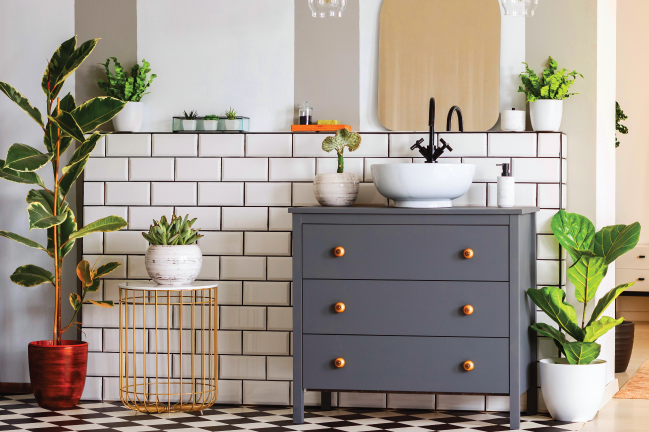
Many bathrooms now feature tiles crafted from recycled materials, available in diverse aesthetic options. You can find bathroom tiles made from bamboo, eco-friendly concrete, or cork. The latest market offerings include tiles manufactured from vegetable ivory, reclaimed wood, and other organic products.
Cabinets and sinks
Traditional cabinets and sinks often use plywood, particle boards, pressed wood, and medium density fiberboard (MDF). The glue used with these materials contains formaldehyde, which can irritate the respiratory system—causing nose, eye, and throat irritation, and increasing asthma risk.
Modern eco-friendly alternatives include cabinets and vanities made from recycled materials, solid wood, recycled concrete, and bamboo. These options are considerably more beneficial to your health.
The Shower vs. Bath debates
After a long day, bathing or showering provides ultimate relaxation, with most people doing so at least once daily. A full bath requires up to 70 gallons of water, while a ten-minute shower uses only 25 gallons. Based on these figures, showers are more eco-friendly and cost-effective for households.
A standard tub measures 60 inches long, 30 inches wide, and 14 inches deep—consider your bathroom's capacity before selecting a tub type.
Fixtures
Save water with low-flow water fixtures
Significant water waste occurs with each toilet flush. Low-flow and dual-flush toilet innovations reduce water usage considerably. Older toilets used over 3 gallons per flush, while high-efficiency toilets today use less than one gallon. Given global population size, this advancement saves thousands of gallons annually and lowers utility bills while benefiting the environment.
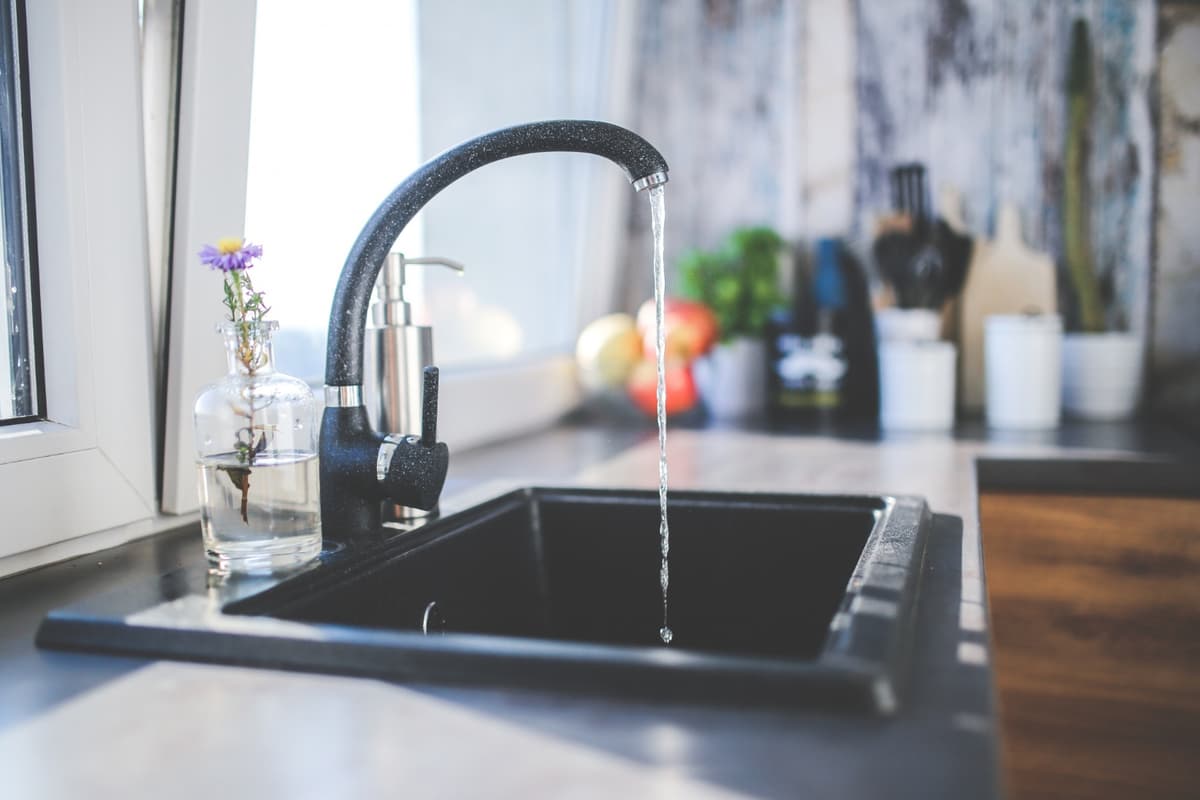
This principle applies to faucets and showerheads as well. Recent water flow rate decreases mean upgrading equipment reduces water consumption and increases energy efficiency, lowering utility payments.
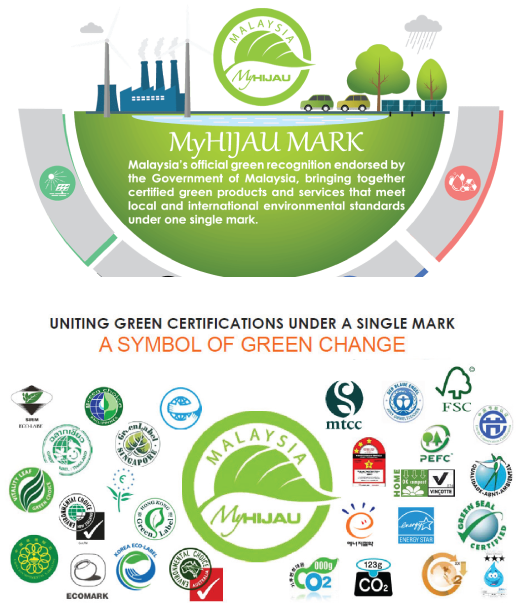
A wonderful resource for water-efficient appliances is the MY HIJAU program by Green Tech Malaysia. The website provides a comprehensive list of Green Labels for approved appliances meeting governing body criteria, guiding consumers toward water-efficient products.
If you wish to reduce water usage without equipment replacement, consider adding an aerator to showerheads and faucets—it reduces water flow without affecting water pressure.
Water heaters
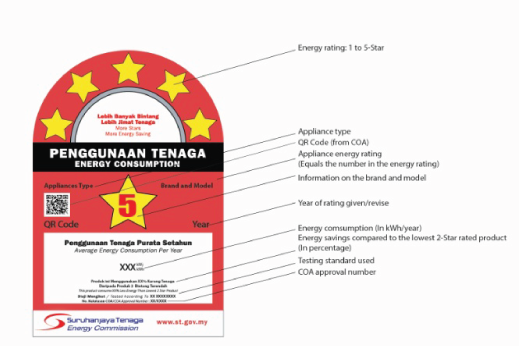
Research shows nearly one-fifth of home energy powers water heating. Installing an energy-efficient water heater helps create a more environmentally friendly bathroom. When shopping, look for The Energy Efficiency Label, which certifies products as energy-efficient and environmentally friendly.
Environmentally friendly options include:
- Heat pump water heaters - Use surrounding air heat to warm refrigerant, which heats water
- Tankless water heaters - Heat water simultaneously as you use it
- Condensing storage water heaters - Require much less energy to boil hot water
- Solar water heaters - Help lower energy costs significantly
Accessories
Shower mats
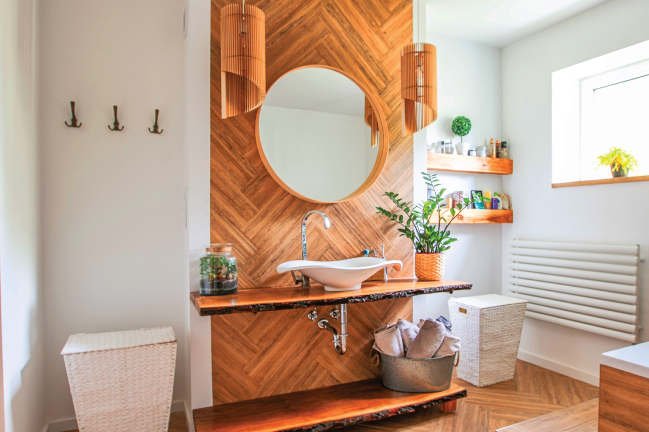
Cloth bath mats often develop mold and mildew. Teak wood mats offer an alternative, resisting harmful bacteria while providing a sophisticated, modern appearance. These mats are slip-resistant, naturally warm, and easy to clean.
Towels and washcloths
Traditional cotton bathroom linens involve numerous chemicals during manufacturing. Consider upgrading to organic cotton towels that avoid harmful pesticides.
Toothbrushes
Toothbrushes represent an easy starting point for an eco-friendlier bathroom using bamboo accessories. Similar items include bathtub trays, soap dispensers, and toothbrush holders made from this natural, sustainable material.
While some eco-friendly options may cost more than conventional bathroom equipment, many provide long-term savings through reduced utility bills. These choices benefit both you and the environment for years to come.