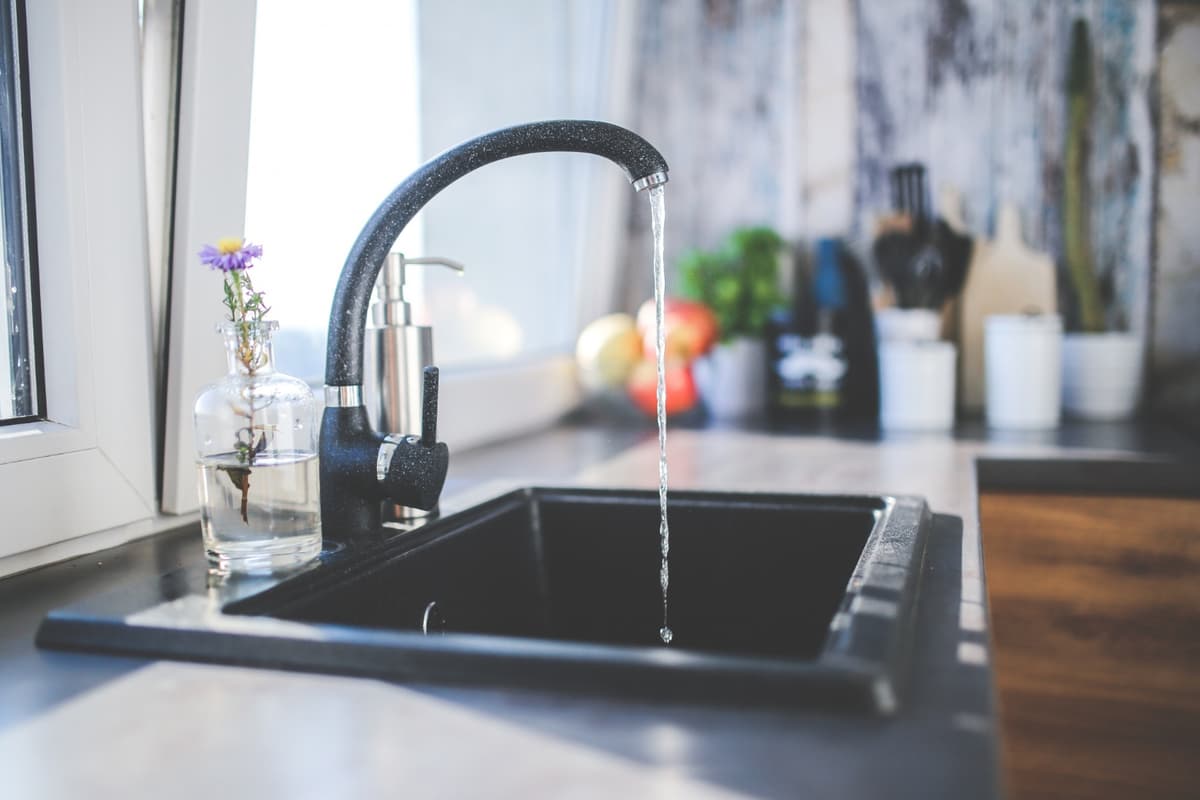


An eco-friendly household begins with the kitchen and the way we enjoy our food. It's crucial to prepare meals efficiently with minimal energy consumption, maintain sustainable cleaning practices, and use equipment crafted from environmentally friendly materials. These choices significantly impact both personal health and the surrounding environment.
Save your cash and love your utensils
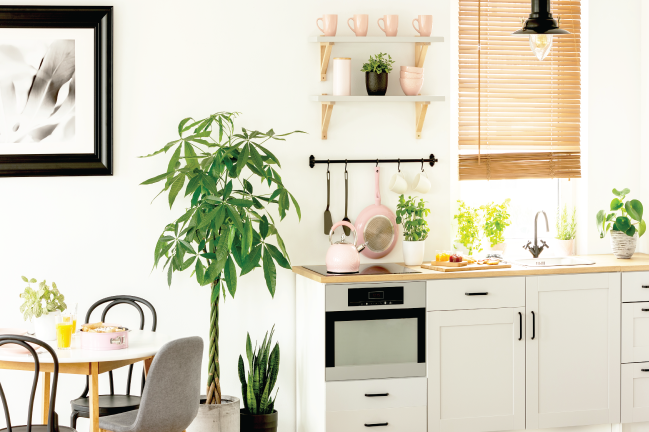
Invest in quality kitchen utensils and cookware built to last. Consider stainless steel or cast iron instead of non-stick cookware. A quality cast iron skillet provides long-term durability. Purchase knives you can sharpen by hand and choose high-quality cloth instead of disposable paper towels. Quality wooden spatulas and durable utensils prevent waste from degradation under high temperatures.

Gas stove vs Electric stove
Choosing between gas and electric stoves depends on your lifestyle and budget. Gas stoves offer temperature control and instant heat but contribute more emissions. Low BTU output gas stoves prove more efficient.
Electric induction stoves transfer electromagnetic energy directly to cookware, using less than half the energy of standard coil elements. However, induction requires metal cookware like stainless steel or cast iron. Ceramic-glass surfaces with halogen elements provide another efficient alternative, delivering heat instantly and responding quickly to temperature changes.
Electric stoves generate 25-39 percent less CO2 and NO2 than gas stoves. The best choice ensures your selected stove lasts at least a decade, saving materials and resources.
Appliances, appliances!
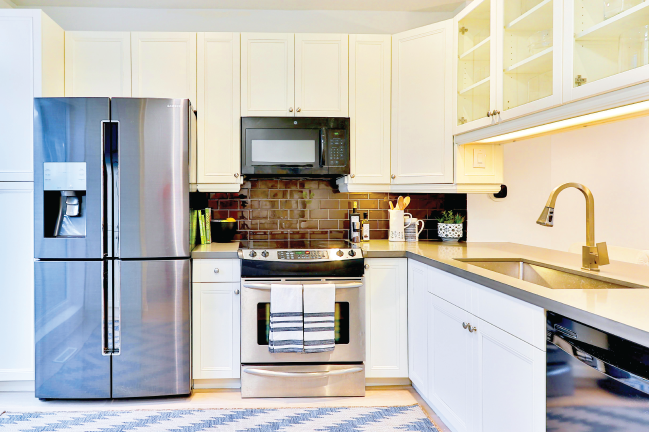
Energy-efficient upgrades are increasingly common in modern appliances. Quality dishwashers use significantly less water than hand-washing. Before replacing appliances, verify that repairs aren't needed first. When disposing of old appliances, check your community for proper recycling programs to prevent hazardous materials from harming the environment.
Look for the Energy Star rating when purchasing new kitchen appliances including stoves, refrigerators, freezers, and dishwashers. Choose sturdy, long-lasting models with simple, sleek designs. Consider purchasing a smaller refrigerator—many foods last longer stored outside fridges, and fruits actually ripen faster in refrigerators due to trapped ethylene gas. A smaller unit reduces energy consumption and electrical bills.
Cook 'em efficiently
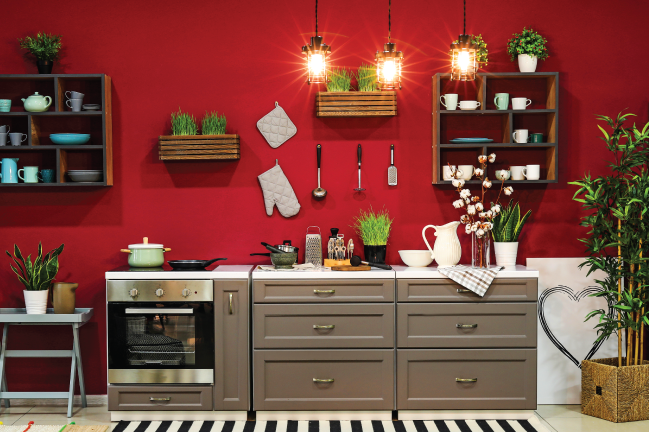
Modern ovens preheat so quickly that preheating often becomes unnecessary. When roasting or baking flexible dishes, place them immediately in the oven and turn it off early, allowing residual heat to finish cooking. Cook multiple dishes simultaneously to maximize oven use.
For small dishes, microwave reheating or toaster ovens save considerably more energy. The Energy Star estimates that microwaves reduce cooking energy by up to 80 percent compared to conventional ovens. When using stovetops, match pot size to burner size—a 6-inch pot on an 8-inch burner wastes over 40 percent of heat.
Use pots and pans with close-fitting lids to reduce cooking time and maintain heat circulation. Pressure cookers reduce cooking time by up to 70 percent, saving tremendous energy.
Support locally
Purchase locally-grown food whenever possible. Consider "food miles"—fewer miles from farm to table mean fresher, more sustainable produce. Organic food lacks preservatives and spoils quickly, making overseas shipping unfavorable as longer transit times compromise quality.
Support community-supported agriculture (CSA) by purchasing from local farmer markets or directly from farmers.
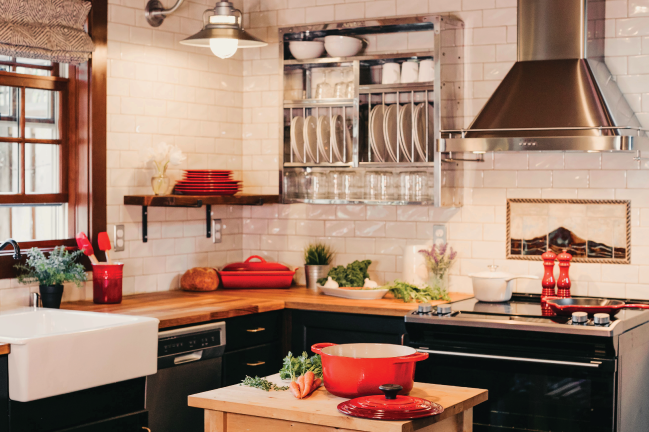
Purchase, cook and produce in bulk
Buy items in bulk to reduce packaging waste and store trips. Purchasing bulk cleaning towels costs less than kitchen paper towels while being less disposable. Bulk cooking—like preparing large soup batches for leftovers—efficiently uses appliance energy and your time. This approach supports meal planning and creates leisure time.

Too much waste? Here's how to reduce 'em!
The kitchen generates substantial household waste. Reduce this by:
- Bringing your own bags for shopping instead of using supermarket plastic bags
- Avoiding oversized portion preparation and purchasing excess food
- Reusing glass jars and grocery bags or unavoidable packaging
- Composting organic waste like cardboard and paper—local farmer markets typically accept compost gladly
- Recycling other items before discarding them

Cleaning products
Replace regular petrochemical-based cleaning products with eco-friendly, non-toxic, biodegradable, and plant-based alternatives. Create your own multipurpose cleaner using everyday household ingredients like vinegar and baking soda.

Remodelling
When remodeling your kitchen, explore antiques and salvaged materials first. Historic kitchen fittings, paneling, and cabinets add unique character and durability. Before discarding old supplies, try trading them on Freecycle or donating to charity for a second life.
If reclaimed materials don't appeal to you, numerous green options exist. Choose from green countertops made of recycled papers, cork flooring, or bamboo flooring. Research fixtures thoroughly to select environmentally friendly options that positively contribute to the environment.